Andrei Hudalla


Rust
I really enjoy working with Rust in my free time. I'm constantly impressed by the language's thorough design, and hope to one day utilize it in my day job.
Vue & Nuxt.js
I have by far the most experience with web technologies. Although I have a fixed stack that I prefer, I started with vanilla JS and climbed my way up to meta-frameworks.
Tooling
I manage my system with nix, daily drive neovim, understand git down to plumbing commands. I am also no stranger to docker
Languages over Last Year (Powered by wakatime.com)
Currently reading
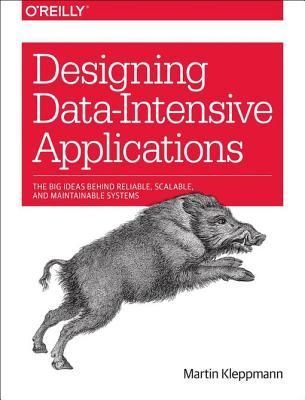
Designing Data-Intensive Applications by Martin Kleppmann
Data is at the center of many challenges in system design today. Difficult issues need to be figured out, such as scalability, consistency, reliability, efficiency, and maintainability. In addition, we have an overwhelming variety of tools, including relational databases, NoSQL datastores, stream or batch processors, and message brokers. What are the right choices for your application? How do you make sense of all these buzzwords? In this practical and comprehensive guide, author Martin Kleppmann helps you navigate this diverse landscape by examining the pros and cons of various technologies for processing and storing data. Software keeps changing, but the fundamental principles remain the same. With this book, software engineers and architects will learn how to apply those ideas in practice, and how to make full use of data in modern applications. Peer under the hood of the systems you already use, and learn how to use and operate them more effectively Make informed decisions by identifying the strengths and weaknesses of different tools Navigate the trade-offs around consistency, scalability, fault tolerance, and complexity Understand the distributed systems research upon which modern databases are built Peek behind the scenes of major online services, and learn from their architectures
Bronze medal at PROD 2024–25
A mobile-first fitness tracker and a team project for exchanging books.

1st place at Forum of Innovation Centers Hackathon
A collaborative 3D map of underground utility networks
2nd place at Naimix Code
A recruitment analytics tool built for the Naimix platform.

2nd place at 24 hours in Tinkoff
A machine learning model and dashboard for predicting partner cashback payouts

2nd place at VK Mini Apps × ITMO Hack
A quest-based app introducing new students and employees to ITMO culture.
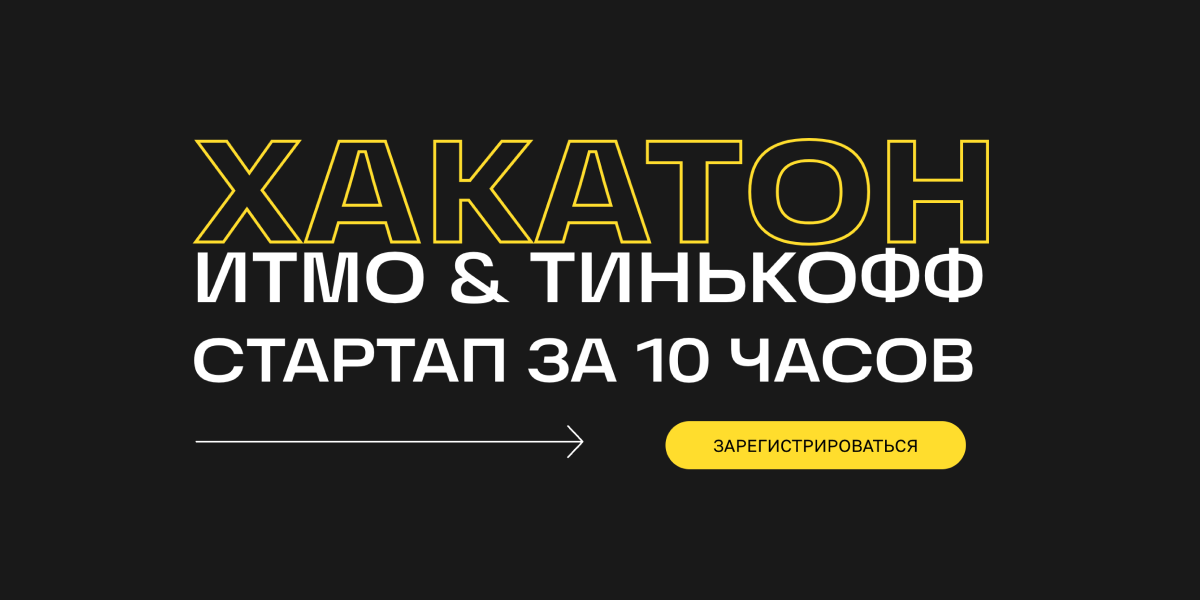
1st place at Startup in 10 hours SE&CS at ITMO x Tinkoff
An internship search platform aggregating listings from multiple sites
Silver medal at PROD 2023–24
Frontend projects spanning a résumé builder, a habit tracker, and a business feedback tool.

7th place at VK Cup 2022–23
An email web app built with Node.js and vanilla JavaScript.